PLANET
Materials & Manufacturing
From raw materials sourcing to manufacturing, the creation of our products accounts for a large portion of the impact we have on the environment.
At Aritzia, creating beautiful, timeless products and sourcing quality fabrics also means considering their impact. That’s why we’re aiming to increase our use of preferred materials and to engage with suppliers in order to monitor their environmental performance.
Preferred Materials
Preferred materials are those that deliver consistently reduced impacts, as well as increased benefits for climate, nature and people compared to their conventional equivalents. Altogether, they support a holistic approach to transforming production systems.
We’ve adopted the term “preferred materials” to align with terminology used by the Textile Exchange. We use a set of industry tools and certifications, including the Textile Exchange Fiber and Materials Matrix and Higg Materials Sustainability Index (MSI), to inform our preferred materials program and targets.
Plant-Based Fibres
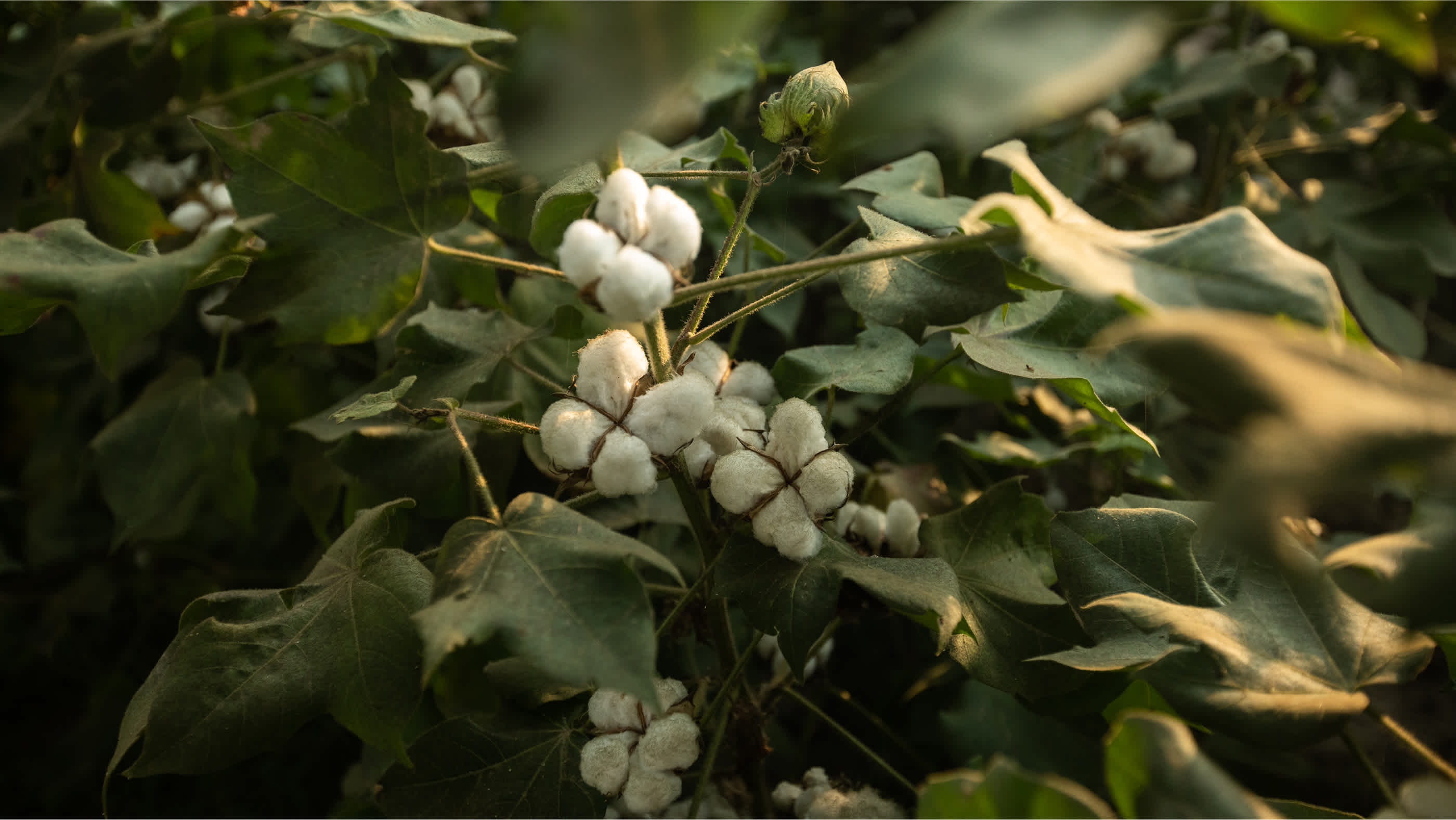
Plant-based fibres, particularly cotton, are valued for their softness, breathability and ease of care. Cotton is one of our most used materials, which is why we focus on sourcing cotton that meets credible standards that help address the environmental impacts it can have, including high water use, pesticide reliance and land degradation.
Better Cotton
Aritzia is a member of Better Cotton, an industry partner whose aim is to help Better Cotton Farmers produce cotton in a way that’s better for themselves and their communities. Better Cotton is a mass balance chain of custody, which means it’s not physically traceable to end products. However, Better Cotton Farmers benefit from the demand for Better Cotton in equivalent volumes to those we source.
Regenerative Cotton
We look to regenerative cotton as an environmentally leading alternative to conventional cotton and aim to incorporate regenagri®-certified cotton into our collections. regenagri®-certified cotton is produced using regenerative farming practices that aim to preserve long-term soil health and biodiversity by creating more resilient plants and using cover crops to help remove more carbon from the atmosphere than the farming process emits.
Organic Cotton
Aritzia is brand-certified to the Global Organic Textile Standard (GOTS) and the Organic Content Standard (OCS). Both of these standards verify the use of organic fibres sourced from certified organic farming — supporting practices that avoid harmful synthetic pesticides or genetically modified organisms (GMOs) — and track those fibres through every stage of the supply chain to confirm they’re present in the final product.
Synthetics
Synthetic fibres like polyester and polyamide are valued for their durability, stretch and quick-drying properties, making them versatile across product types. While the production of these fibres has environmental impacts, including reliance on fossil fuels, we are working on increasing the adoption of their recycled alternatives.
Recycled Polyester and Polyamide
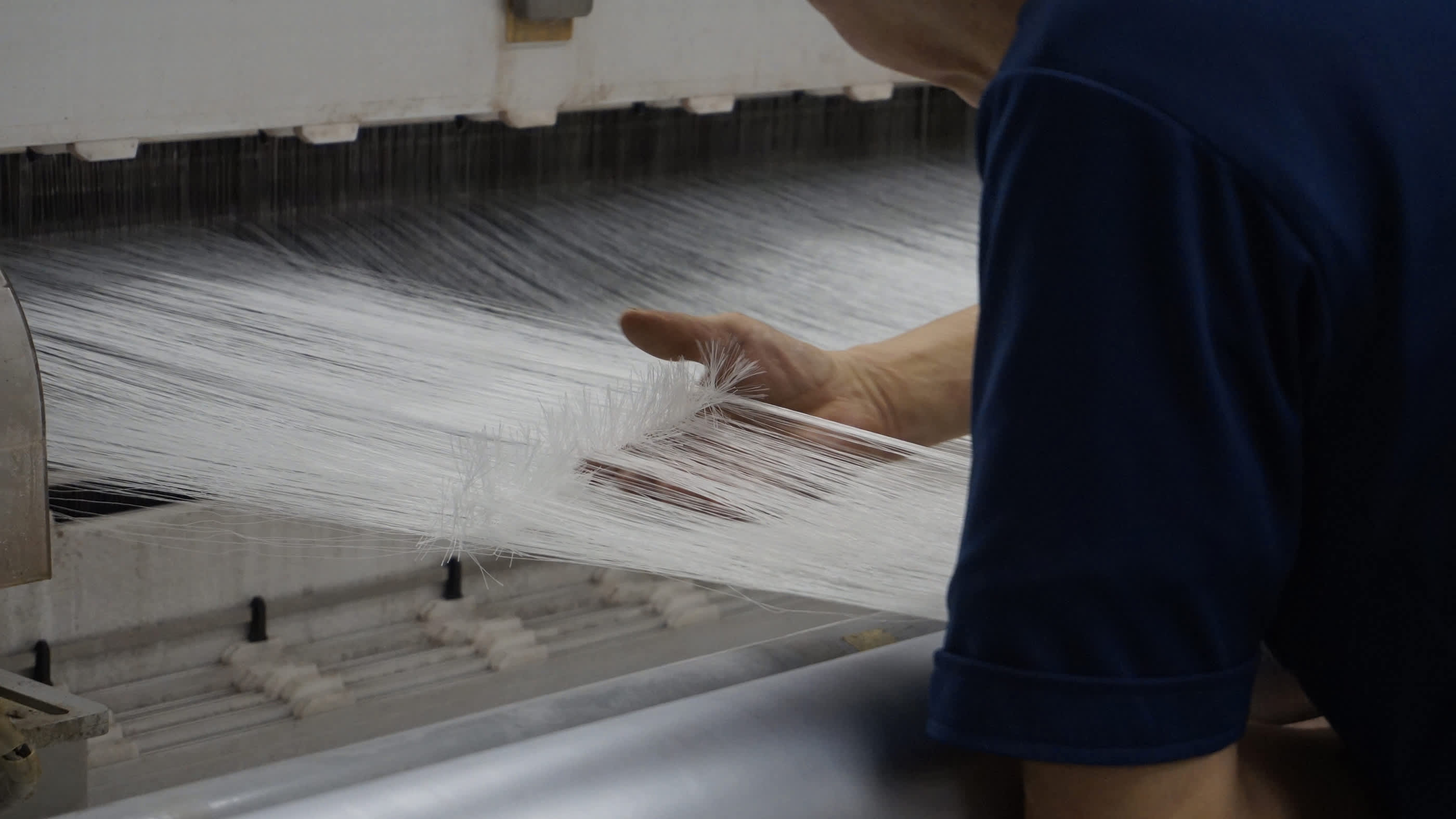
We use recycled polyester and polyamide certified to Global Recycled Standard (GRS). Products certified to the Global Recycled Standard (GRS) contain recycled material that has been verified at each stage of the supply chain, from the source to the final product. GRS also verifies that the facilities handling recycled materials have met social, environmental and chemical requirements at every stage of the supply chain.
Animal-Derived Fibres
We source animal-derived fibres for their exceptional softness, warmth and durability. We're committed to increasing our use of materials that meet animal welfare standards guided by leading certifications, industry bodies and principles like The Five Freedoms. We also favour the use of recycled animal fibres as their production tends to emit lower GHG emissions than virgin fibres.
Responsible Wool
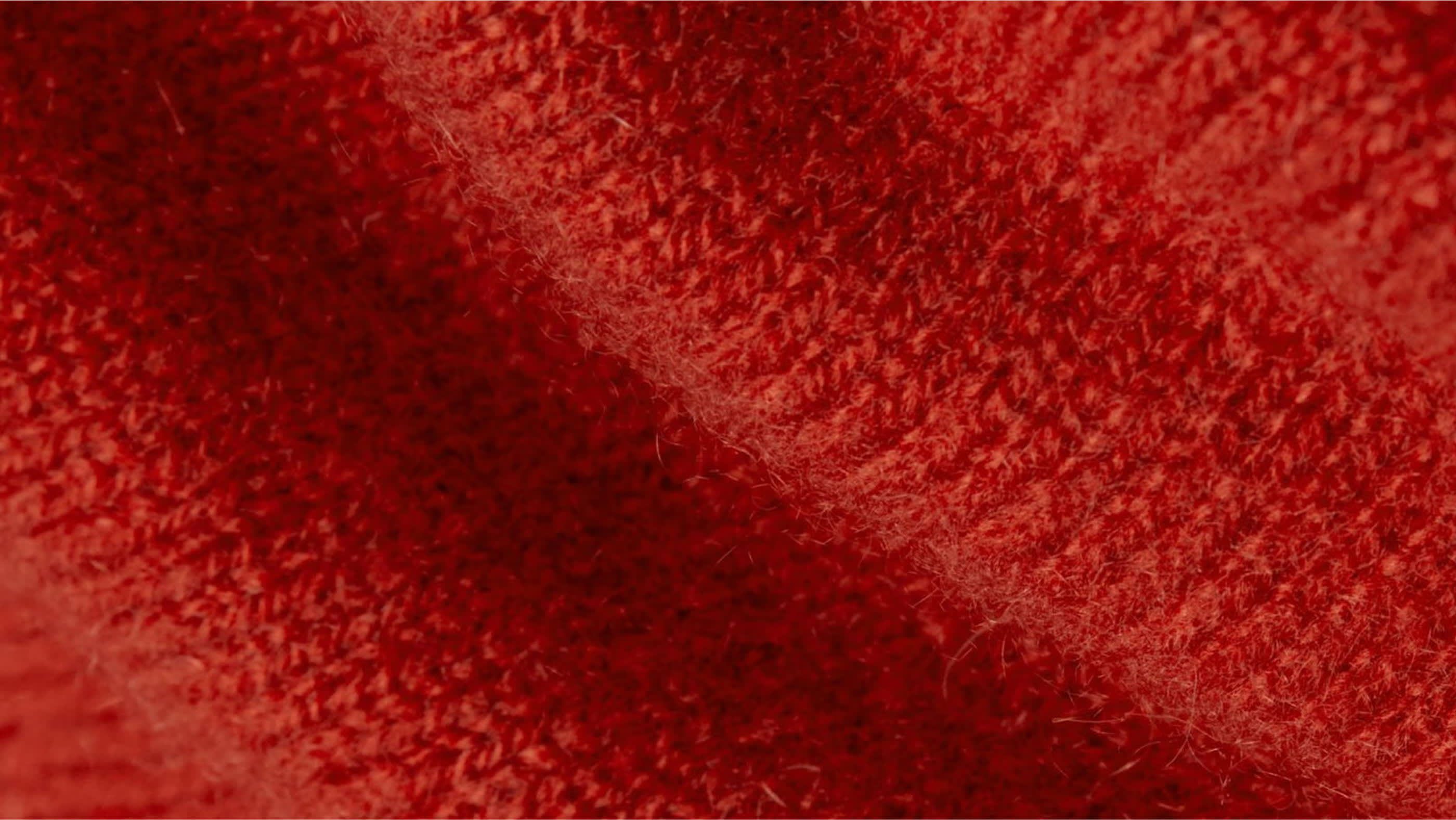
We acknowledge that the quality of the wool we use is as important as the animal welfare standards and land management practices its suppliers adhere to, which is why we’re working to increase our use of wool certified to the Responsible Wool Standard (RWS). The RWS describes and certifies animal welfare and land management practices in wool production and tracks the certified material from farm to final product.
The Good Cashmere Standard®
Cashmere is an important fibre in our raw material mix and is essential to our Everyday Luxury offering. To source our cashmere more responsibly, Aritzia has become a member of The Good Cashmere Standard® (GCS), an independent standard for responsible cashmere developed by the Aid by Trade Foundation (AbTF), and we’ve adopted GCS cashmere in our pure cashmere apparel products.
The Good Cashmere Standard® was created to improve the welfare of cashmere goats with respect to the Five Freedoms, as well as aiming to improve the economic, social and ecological conditions of cashmere farmers, their families and their communities in Inner Mongolia.
Responsible Down
Down is a key material in our outerwear program. We use down for its effective insulation capabilities. We source down that's certified to the Responsible Down Standard (RDS). RDS certifies down and feathers against animal welfare requirements and tracks it every step of the supply chain, from farm to final product. Aritzia is RDS certified (TE-99972952) and only the products that carry the RDS label and claim are certified.
Recycled Camel Hair
We source recycled camel hair certified to Re-Verso™. Re-Verso™ recovers pre- and post-consumer waste materials from factories, companies and customers and manually selects and transforms them into Re-Verso™ regenerated yarns and fabrics.
Recycled Wool
We use recycled wool, in select products, certified to the Global Recycled Standard (GRS). Products certified to the GRS contain recycled material that has been verified at each stage of the supply chain, from the source to the final product. GRS also verifies that the facilities handling recycled materials have met social, environmental and chemical requirements at every stage of the supply chain.
Man-Made Cellulosic Fibres
Man-made cellulosic fibres (MMCFs), such as viscose, lyocell and modal, are made from wood pulp — a renewable resource when sourced from a responsibly managed forest. They offer a soft feel with natural breathability and strong moisture absorption. We prioritize sourcing MMCFs from certifications that help to address their unique environmental impacts, like deforestation.

Lenzing
Developed by Lenzing, a global leader in sustainable fibre innovation, LENZING™ ECOVERO™ Viscose, TENCEL™ Lyocell and TENCEL™ Modal are made from wood pulp, a natural, renewable raw material carefully sourced from responsibly managed forests. Compared to generic alternatives, they’re produced with at least 50% less carbon emissions and water consumption.*
TENCEL™, LENZING™ and ECOVERO™ are trademarks of Lenzing AG.
*Results based on LCA standards (ISO 14040/44) and available via Higg MSI Version 3.9.1 (December 2024).
Naia™
Aritzia uses both Naia™ acetate and Naia™ Renew acetate fibres in select products. Naia™ acetate is a wood-based fibre crafted from responsibly managed forests and produced in a closed-loop process with a lower carbon and water footprint than conventional alternatives. Naia™ Renew acetate is produced from sustainably sourced wood pulp and recycled waste materials.
Supplier Engagement
We use the Higg Facility Environmental Module (Higg FEM), a standardized, industry-wide assessment tool created by Cascale (formerly known as Sustainable Apparel Coalition) to monitor the environmental performance of in-scope finished goods1 and in-scope fabric and trims suppliers’ facilities2.
This tool enables an evaluation across the following seven impact areas:
1. Environmental Management Systems
2. Energy and Emissions
3. Water
4. Wastewater
5. Air Emissions
6. Waste
7. Chemicals
Annually, in-scope supplier’s facilities are asked to complete Higg FEM self-assessment and obtain third-party verification of their results. Based on this information, Aritzia creates Performance Improvement Plans (PIP) to highlight facilities’ strengths as well as areas of improvement.
Our environmental engagement with in-scope suppliers’ facilities is focused on strengthening relationships and communication via two-way sharing of goals, priorities and progress, including performance expectations related to the Higg FEM program.
1 In-scope finished goods supplier’s facilities are those that meet or exceed Aritzia’s production unit threshold and have production with Aritzia in a specific calendar year.
2 In-scope fabric and trim facilities include those selected to participate in the Higg FEM program based on level of partnership and/or those producing key materials.
Water and Wastewater in Our Supply Chain
Aritzia has developed a water strategy and identified priority areas to address water and wastewater management in selected finished goods and fabric and trim suppliers’ facilities.
Our near-term priorities are centered on supplier engagement, with a focus on tracking water and wastewater, as well as setting water reduction targets in selected facilities, particularly those located in regions affected by water insecurity or those with dyeing and wet processing on site.
Responsible Chemicals Management
We’re committed to supporting responsible chemicals management to help ensure the safety of our products and the people who wear them. Aritzia maintains a Restricted Substances List (RSL) that governs the processing and treatment of materials and the manufacturing of all exclusive Aritzia products and packaging. This list includes chemicals that are restricted or banned from use in Aritzia
products to comply with safety and environmental standards. This includes emerging substances of concern like per- and polyfluoroalkyl substances (PFAS), also known as “forever chemicals,” which are commonly used for water- and stain-resistant finishes. As regulations evolve, we’re actively updating our products to meet new requirements and reduce the use of harmful substances.
Customer Packaging Materials
Aritzia is committed to reducing the environmental impact of its customer-facing packaging through thoughtful design, responsible sourcing and a transition toward primarily paper-based materials.
Aritzia’s packaging incorporates preferred and recyclable materials. We use post-consumer recycled content and materials that support credible certifications such as FSC®, which provides assurance of deforestation- and conversion-free sourcing. We remain fully compliant with local bylaws requiring recyclable packaging and continue to advance the sustainability of our packaging as part of our broader environmental goals.
More on Our Approach to Responsible Sourcing
We have a Materials Sourcing Policy that covers our standards for materials, including but not limited to: animal welfare, fabric processes and treatments, and raw material origin and traceability.
We follow rigorous processes to help substantiate the sustainability and trademark claims we make, aiming for accuracy, verifiability and support through credible documentation.
See our Resources page for more information on our Impact policies and progress.
