PEOPLE
Supply Chain, Human Rights & Working Conditions
We aim to build meaningful
relationships with suppliers.
At Aritzia, we’re committed to helping create positive social impact, founded on respecting and upholding human rights throughout our supply chain, in line with international standards and industry best practices. Our current social impact priorities across our supply chain are:
• Making our products ethically and responsibly
• Respecting and upholding human rights
• Amplifying workers’ voices
To support these priorities, we aim to collaborate with both finished goods supplier (also known as Tier 1) and fabric and trims supplier (also known as Tier 2) facilities whose value is defined not only by the quality of the product but also by how they work.
This means we aim to build meaningful relationships with suppliers who commit to work in line with our expectations outlined in the Supplier Code of Conduct (Supplier CoC), including human rights and labour rights requirements. We aim to establish relationships with suppliers based on trust, transparency and continuous improvement.
Location of
Supplier Facilities
We collaborate with third-party suppliers to develop and manufacture products, which we sell in our boutiques and on our global eCommerce platform.
The countries illustrated in the map below are reflective of the in-scope finished goods supplier facilities1 and fabric and yarn supplier facilities involved in the manufacturing of Aritzia’s exclusive brands’ products in Fiscal Year 2024.
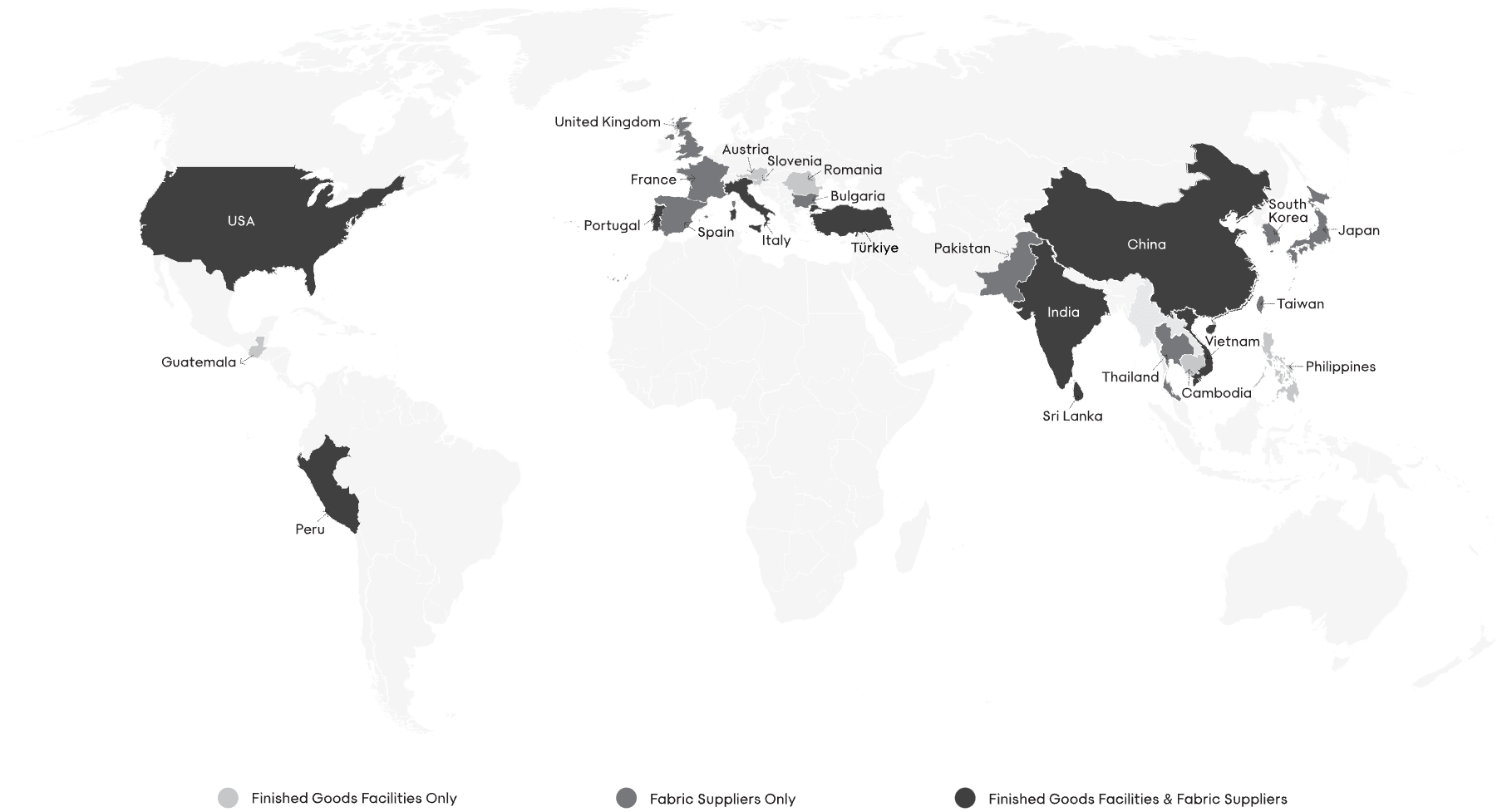
1 - In-scope finished goods supplier facilities are those that meet or exceed Aritzia’s production unit threshold of 5,000 units, have production with Aritzia in Fiscal 2024, and in respect of which an assessment was required within Fiscal 2024 as per Aritzia’s Supplier Workplace Standards Program.
Our Supplier Workplace
Standards Program
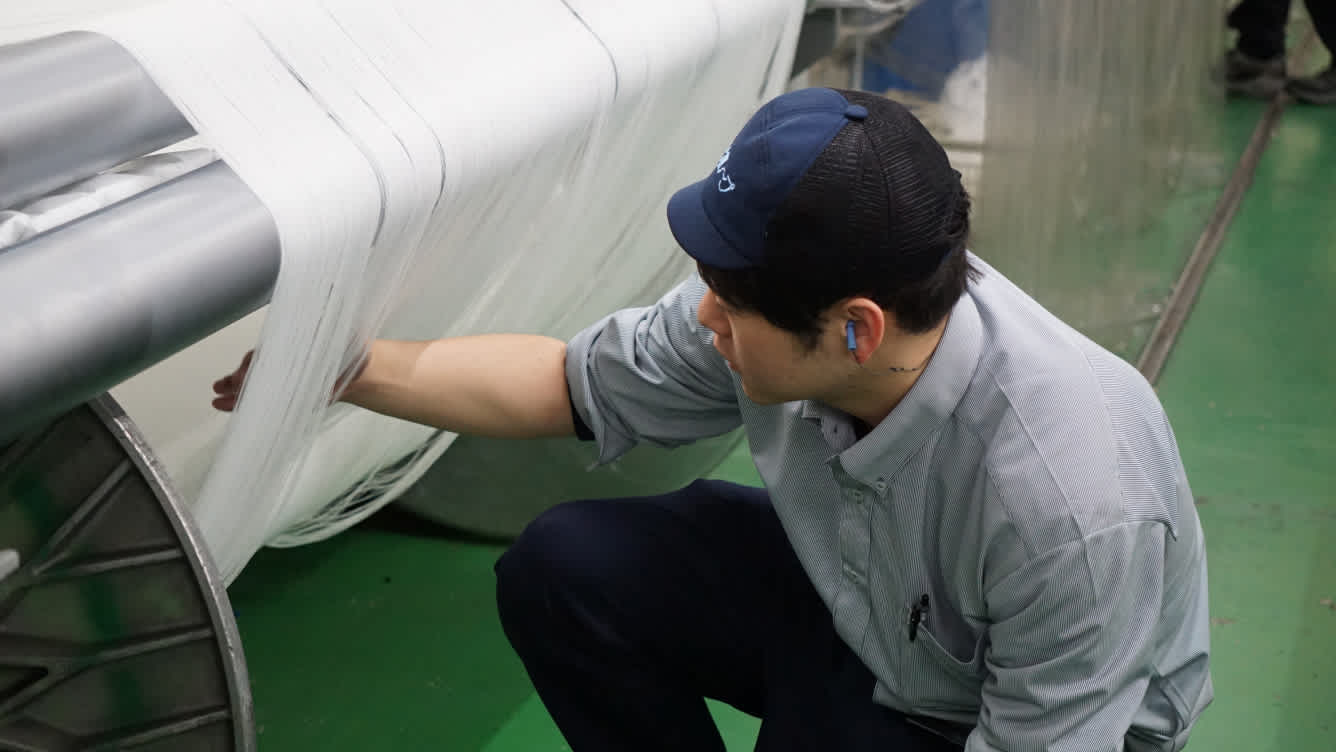
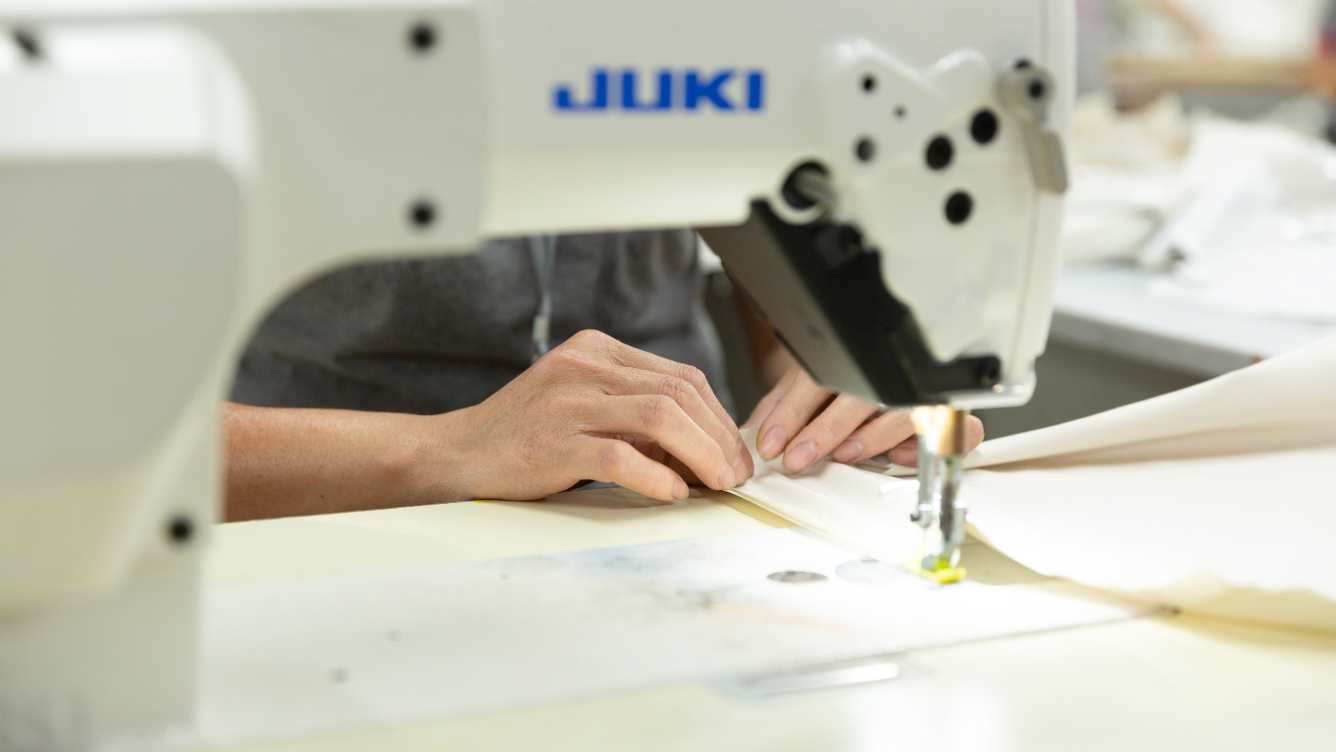
At Aritzia, we maintain a Supplier Workplace Standards Program (the Program), which has a strong emphasis on trust, transparency and continuous improvement. The Program monitors in-scope finished goods supplier facilities and in-scope fabric and trims facilities’ performance against our Supplier CoC.
More details on how we set our expectations are outlined below — and you can also refer to our latest Aritzia Community™ | Impact Report and Statement Regarding Modern Slavery.
Setting the Foundation
Our Program and Supplier CoC aims to align with leading standards and industry best practices, including the United Nations Universal Declaration of Human Rights, the United Nations Global Compacts Ten Principles, the United Nations Guiding Principles on Business and Human Rights, the International Labour Organization conventions and the Ethical Trading Initiative Base Code.
The steps involved when we build a relationship with in-scope finished goods facilities may include:

1. Country Risk Assessment
Labour standards, human rights and environmental considerations are assessed through an internal cross-functional analysis of potential new sourcing countries.
2. Pre-Onboarding Evaluation
Supplier Workplace Standards assessments are conducted by third-party specialty service providers to review potential in-scope finished goods supplier facilities’ performance against our Supplier CoC and local and international legal requirements.
3. Onboarding
A cross-functional onboarding is arranged where Aritzia and suppliers discuss relevant priorities, processes and expectations, including those related to social and environmental standards.
4. Ongoing Monitoring of Workplace Standards
Supplier Workplace Standards assessments are commissioned throughout the business relationship with in-scope finished goods supplier facilities. Aritzia collaborates with in-scope finished goods supplier facilities on developing and implementing corrective action plans for remediation and continuous improvement.
5. Ongoing Relationship Management
Regular feedback on the environmental and social performance of in-scope finished goods facilities is shared in our sourcing and manufacturing supplier scorecards. Our teams may also conduct on-site visits to build trusting relationships and monitor that corrective action plans are sustainable and upheld.
6. Responsible Exit
While we aim to build long-lasting relationships, when an exit is necessary, we aim to conduct an exit of an in-scope finished goods facility’s business relationship in a way that minimizes the negative impact on the continuity of the facility and the wellbeing of their workforce.
Fostering Relationships
To help facilitate relationships with suppliers based on trust, transparency and a focus on continuous improvement, we work with relevant specialty service providers, non-profit organizations and industry associations, as appropriate.
At Aritzia, we maintain a relationship with ILO-IFC Better Work Programme (Better Work). Through this relationship we aim to signal to suppliers, governments and workers that labour rights and decent working conditions are a necessary precondition for our business.
Through Better Work’s supplier engagement services, their facilities gain access to assessment processes, advisory services and training. Better Work Advisors work in partnership with facilities on an ongoing basis to build long-term, sustainable solutions to improve working conditions. Experienced in local and national laws, Better Work Advisors establish trusted relationships with facilities and foster strong, effective dialogue between workers, trade unions and management.
Deepening Our Focus
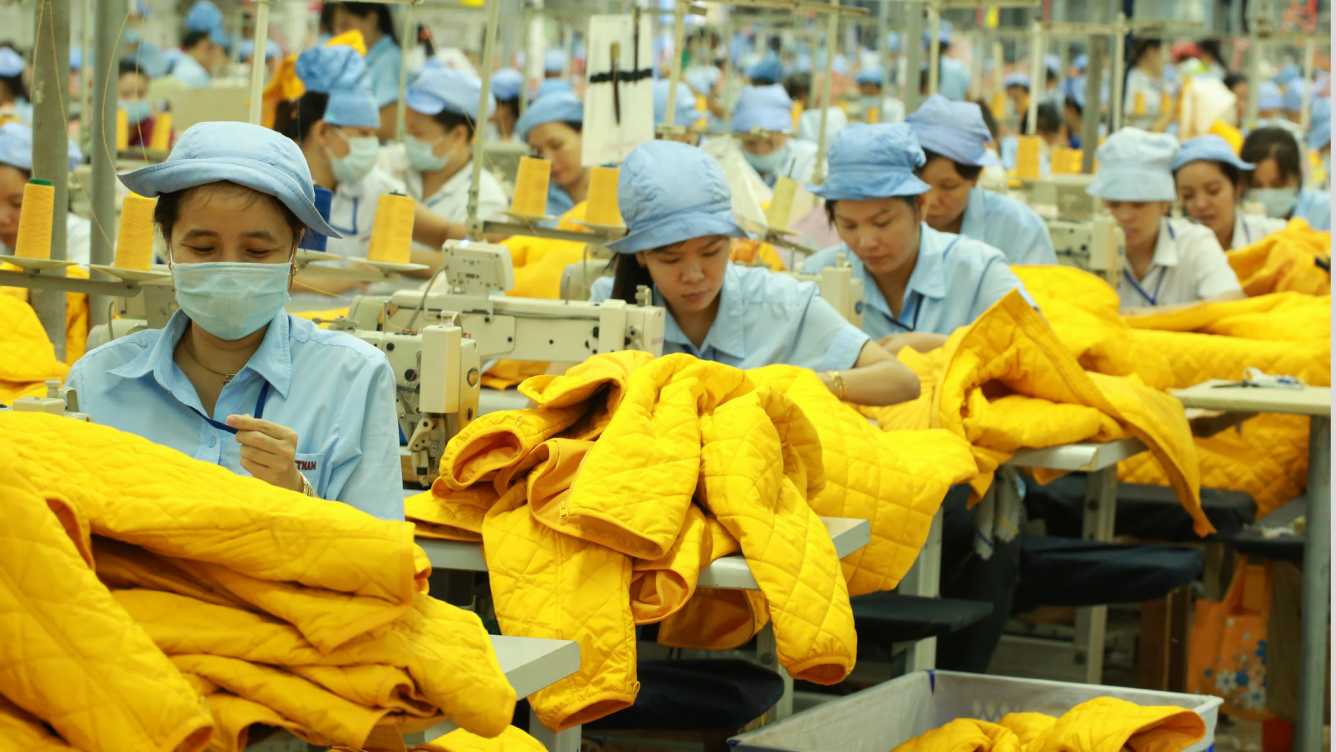
We are committed to conducting our work in a respectful way that aims to understand and address complex and systemic inequalities. Our Program reviews and analyzes workforce demographics to understand where gaps may be and how to support workers in the supply chain in an equitable and fair manner. This includes personal and professional development opportunities for People across the supply chain.
Expanding Our Reach
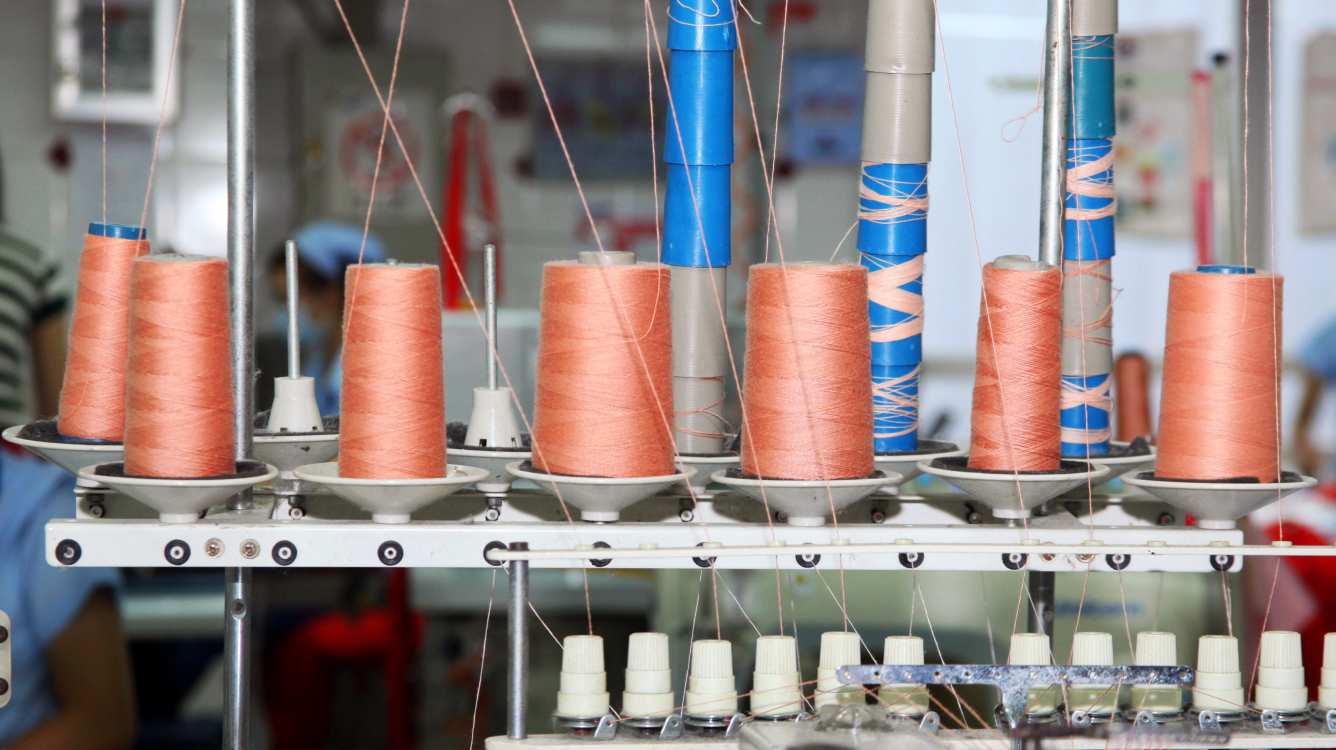
With a robust Program in place for our in-scope finished goods facilities, we’re now widening our focus. This includes developing a program for our in-scope fabric and trims supplier facilities, which will help us as we seek to expand our impact further into the supply chain.
Upholding Human Rights
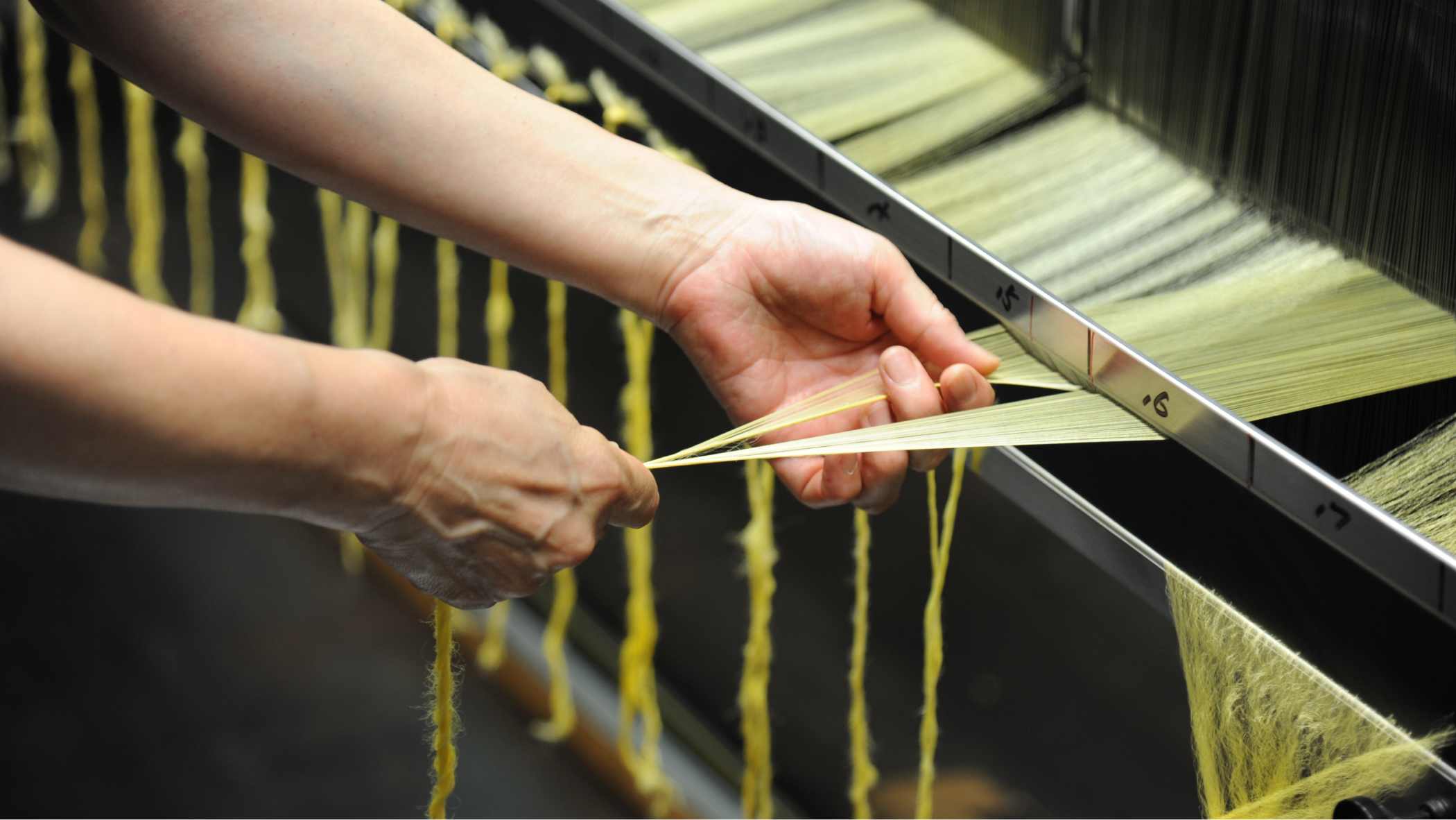
We have published a Human Rights Position Statement, which articulates our commitment and outlines our approach, the basis of which is founded in the United Nations Guiding Principles on Business and Human Rights. Additionally, in Fiscal 2022, we conducted a Human Rights Impact Assessment (HRIA) across our value chain. The results may be used to inform our social impact programming in our supply chain and help guide our risk mitigation strategies to focus on addressing salient human rights topics.
Amplifying Voices
Effective and accessible communication channels for people in the supply chain are key to informing how we work. Supporting suppliers and their facilities in maintaining appropriate communication channels that allow for anonymous feedback and two-way-dialogue is a top priority. Our Supplier CoC requires the supplier facilities we work with to offer grievance management systems, which we regularly monitor.
In Fiscal 2024, we initiated a Worker Voice Program pilot to help strengthen our collaborative approach when working with suppliers. This program seeks to amplify the voices of the people in the supply chain Aritzia works with while supporting suppliers in maintaining effective communication channels. The pilot is supported by multiple expert third-party providers with on-the-ground experience and includes:
• A designated hotline, allowing confidentiality and providing people in the supply chain with an additional channel to ask questions, provide feedback and report concerns
• A survey tool to gather insights on working conditions anonymously from people in the supply chain
• Third-party consultancies to support factories in evaluating and providing training to enhance their communication channels
Learn more about our social impact programming in the supply chain and other initiatives in our Aritzia FY25 Aritzia Impact Report.