Celebrating
Black History Month
For the fifth consecutive year, we’re proud to sponsor the CJF-CBC/Radio-Canada’s Black Women’s Journalism Fellowship, a program that annually awards an emerging journalist with the opportunity to work in a CBC newsroom for six months.
The fellowship seeks to amplify Black voices, improve coverage of issues affecting Black communities and support future Black media leaders — objectives that are deeply important to us as we work to celebrate and support the Black community not just during Black History Month, but all the time.
Last Year’s Fellowship
Winner, Daysha Loppie
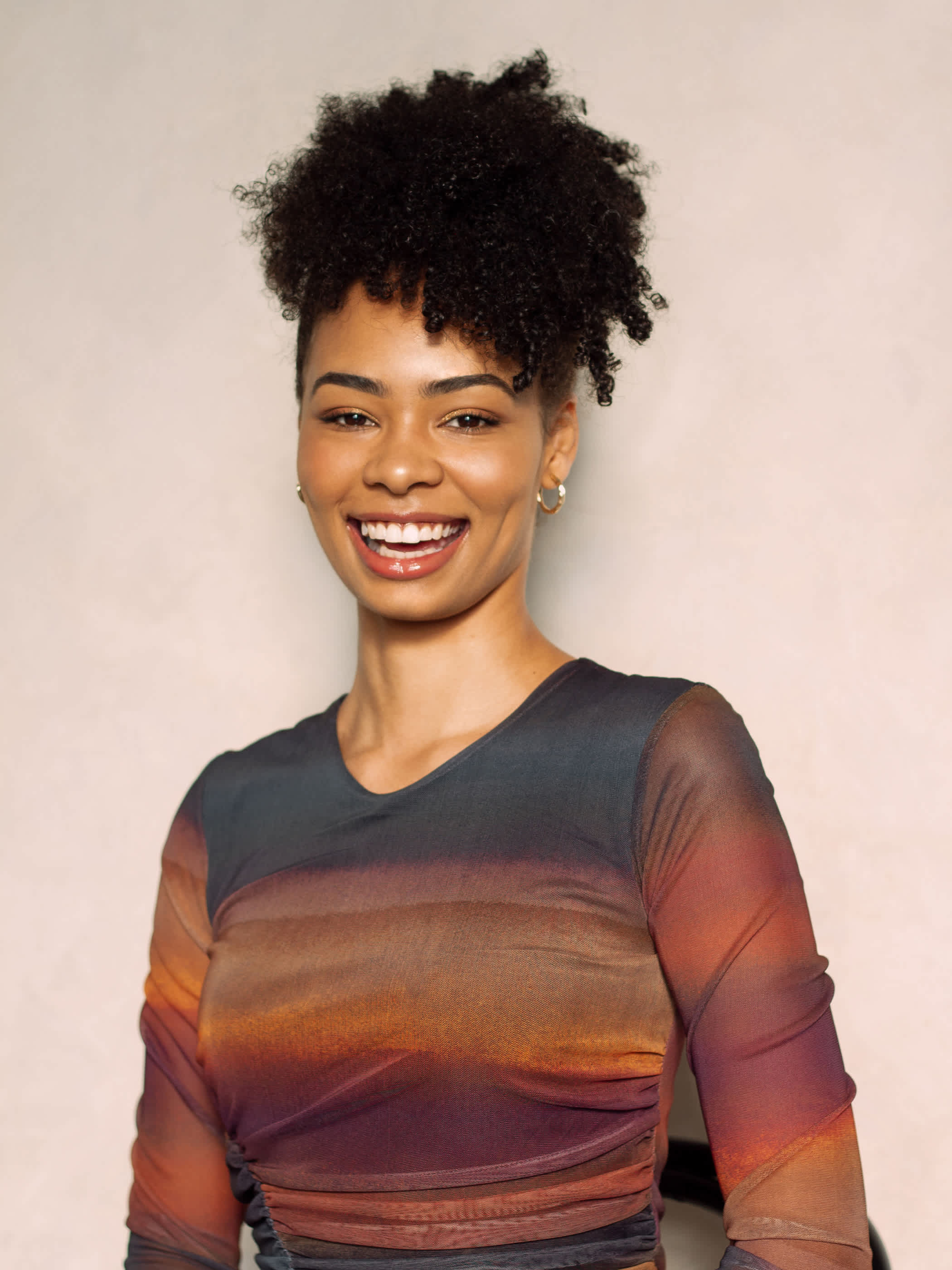
We recently peeked behind the scenes of the fellowship with last year’s recipient Daysha Loppie, a journalist and researcher based in Toronto, whose writing aims to challenge prevalent, stigmatizing narratives about different communities. Here, she shares some thoughts on the fellowship and offers advice to fellow Black women pursuing a similar career.
Q: You’re five months into your six-month fellowship — how’s it going?
A: It’s been really immersive. I spent my first section of the fellowship with The Fifth Estate, which is the flagship investigative broadcast show at CBC. I love investigative journalism and do see myself having more career opportunities there.
Q: How has working in the newsroom shaped your view of the news cycle?
A: It’s showed the importance of accuracy. Sometimes there’s this challenge of being accurate while getting things out urgently. One should never negate the other. You can’t cut corners on the truth.
Q: Any advice for women, particularly Black women, pursuing a career in journalism?
A: The biggest thing is to build relationships with people and be in solidarity with those who can help you help you get where you need to go. And those people don’t always look like you expect.
Q: Why do fellowships like this matter?
A: They’re paid work opportunities. Financial compensation is so important. You need to eat if you want to write a story that wins an award.
Q: What’s next for you, career wise?
A: There’s a few investigative stories that pertain to the Black community — one has to do with my own family history, which I’ve been tracing mostly because my family comes from a historic Black community in Nova Scotia. But I would also like to build on my academic portfolio, do my Master’s, get a PhD, because I love research. I see that all tying into a larger career in journalism.
Q: Anything else to add?
A: It’s so important to have Black people of different ages, backgrounds and skillsets working in the journalism industry, not only as a point of representation, but also in terms of building a field of journalism that will weather different storms approaching in the future. I think sometimes there’s an experimental nature to living as a Black person in the world — we have to figure out how to do things a little bit differently, and it’s invaluable to have these perspectives when trying to find innovative ways to propel the journalism industry and help it survive.